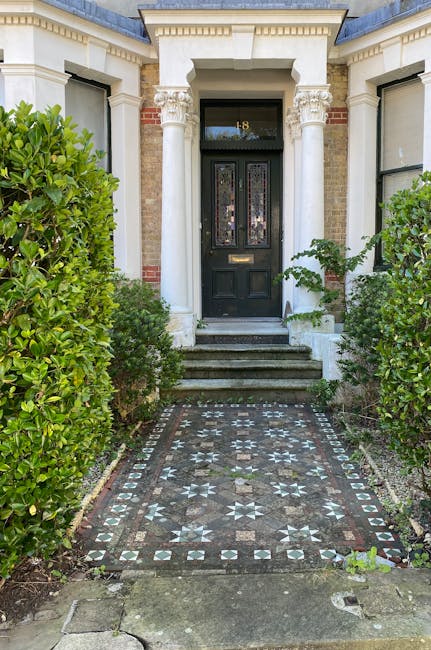
Finsbury Park gardeners Hornsey Road front garden specialists
If you are looking for Finsbury Park gardeners Hornsey Road front garden specialists, you are probably after more than a quick tidy. A front garden on Hornsey Road has to do several jobs at once: look good from the pavement, stay manageable through busy seasons, and work with the way people actually use the property. That means thinking about kerb appeal, privacy, access, planting, paving, drainage, and upkeep - all without making the space feel fussy. Truth be told, that balance is where a good local gardener earns their keep.
This guide walks through what front garden specialists actually do, why it matters in this part of north London, and how to choose the right approach for your space. Whether you want a smart low-maintenance finish, a more welcoming entrance, or a full redesign, you will find practical advice here, not just pretty ideas. And yes, there is a sensible way to do it without overcomplicating everything.
Table of Contents
- Why Finsbury Park gardeners Hornsey Road front garden specialists Matters
- How Finsbury Park gardeners Hornsey Road front garden specialists Works
- Key Benefits and Practical Advantages
- Who This Is For and When It Makes Sense
- Step-by-Step Guidance
- Expert Tips for Better Results
- Common Mistakes to Avoid
- Tools, Resources and Recommendations
- Law, Compliance, Standards, or Best Practice
- Options, Methods, or Comparison Table
- Case Study or Real-World Example
- Practical Checklist
- Conclusion
- Frequently Asked Questions
Why Finsbury Park gardeners Hornsey Road front garden specialists Matters
A front garden is the first thing people notice, and on a road like Hornsey Road that matters more than many homeowners realise. It is not only about appearances, either. A well-planned front space can improve access, reduce day-to-day maintenance, create a clearer route to the door, and make a house feel properly looked after. That is especially useful in a busy London setting where space is tight and first impressions count.
Specialists in front gardens understand the small but important differences between a back garden and the front of a property. The front usually needs a more disciplined layout. You often have less room, more visibility from the street, and more pressure to keep things neat year-round. You cannot just let things sprawl and hope for the best. In our experience, the best results come from planning the whole space around how it is used, not just how it looks in spring.
There is also a local character to think about. In Finsbury Park, front gardens can be narrow, shaded, paved, terraced, or a bit awkwardly shaped. That is normal. A skilled gardener works with those constraints instead of fighting them. Sometimes a simple, clean design is stronger than a crowded one. Sometimes a few structural plants do more than a dozen little features ever could.
How Finsbury Park gardeners Hornsey Road front garden specialists Works
The process usually starts with assessing the space properly. A specialist will look at the width of the plot, the amount of light, how the front path is used, where water collects after rain, what the boundary looks like, and how much maintenance you are realistically willing to do. That last part matters a lot. A design that looks lovely but demands constant attention is rarely a good fit for a front garden in everyday life.
From there, the work often breaks into a few practical stages. First comes clearing or cutting back what is already there. Then the layout is planned. That might involve redefining beds, improving edging, adding new planting, refreshing soil, or installing hard landscaping features such as paving, steps, or a neat border. If the garden needs regular care, services like garden maintenance can keep the space in shape after the initial work is done.
In many cases, front garden projects also include a tidy-up of hedges, shrubs, and small trees. That is where services such as hedge trimming or even selective tree lopping and removal may be part of the plan, especially if light levels or visibility are being affected. The aim is not just to cut things back. It is to shape the whole frontage so it feels balanced, open, and intentional.
For some homes, a front garden refresh is mainly about planting. For others, it is more structural - new edging, new access, maybe a defined seating edge or a cleaner path. And sometimes, honestly, the best outcome is a thorough reset. A proper garden clearance can be the right first step when a front space has become overgrown, cluttered, or uneven after years of patchy upkeep.
Key Benefits and Practical Advantages
A well-designed front garden does more than make a property look neat. Here are the main gains people usually notice once the work is done:
- Better kerb appeal: the property looks cared for, which can lift the whole street-facing impression.
- Less day-to-day hassle: low-maintenance planting and tidy borders save time every week.
- Clearer access: paths, steps, and entrances can be made safer and easier to use.
- More privacy: carefully chosen planting can soften the view into the home without making the front feel closed off.
- Improved planting success: the right plants for shade, exposure, and soil conditions tend to last longer and look better.
- Better seasonal structure: front gardens need to look respectable in winter as well as in May.
There is also a subtle confidence boost. It sounds small, but a front garden that looks tidy when you come home in the evening has a real effect. You notice it in the first two seconds. The place feels calm. Sorted. No drama. Let's face it, that is worth something.
For households thinking about wider improvements, front garden work can also sit neatly alongside broader landscape gardening or landscaping plans. If the front and back of the property need to feel connected, a joined-up approach usually works better than doing each part in isolation.
Who This Is For and When It Makes Sense
This kind of service is a strong fit for homeowners who want the front of their property to look tidy without becoming a second job. It is also useful for landlords, selling homeowners, and anyone who has inherited a front garden that has drifted out of control over time. You might be in that familiar situation where you keep meaning to sort it, then another month passes and the ivy has gone a bit wild. Happens to the best of us.
It makes particular sense if any of these sound familiar:
- You want a smart front entrance but do not want constant upkeep.
- Plants are overcrowded, patchy, or wrong for the light level.
- The path, edging, or boundary looks tired.
- Drainage is poor and the space stays wet after rain.
- The front garden feels dark, cramped, or unwelcoming.
- You are preparing a property for sale or rent and want it to present well.
It is also a sensible choice if you have already tried doing it yourself and realised the issue is bigger than a quick weekend job. No shame in that. Front gardens are deceptively tricky. The eye sees them immediately, which means every small imbalance shows.
Step-by-Step Guidance
If you want a front garden that works properly, this is the practical order to follow.
- Start with a proper assessment. Look at how much sun the space gets, where water sits, how much people walk through it, and what needs to stay.
- Decide the main purpose. Is it a showpiece, a low-maintenance entrance, a privacy screen, or a mix of all three?
- Clear the clutter. Remove dead growth, loose debris, old pots, broken edging, and anything that makes the space feel messy.
- Set the structure first. Paths, borders, edging, and planting zones should be sorted before you start filling the space with plants.
- Choose plants for the actual conditions. Shade lovers for shaded fronts, drought-tolerant plants for exposed spots, and compact species where space is tight.
- Make access easy. Keep the route to the door obvious and safe. Do not make people step around awkward features just to get in.
- Add the finishing details. Mulch, edging, and a consistent planting style often make the biggest visual difference.
- Plan maintenance from day one. A design that cannot be maintained will usually unravel. Quickly, too.
A useful rule: if a feature makes the front garden look clever but complicates everyday life, think twice. The best front gardens tend to be simple enough to keep up without becoming boring. That is the sweet spot.
Expert Tips for Better Results
Experienced gardeners tend to focus on restraint. Not because they lack imagination, but because too many competing features make a small front garden feel busy. A few strong decisions usually beat a crowded mix of ideas. Here are some tips that often improve the result straight away.
- Use repetition. Repeating one or two plant types creates calm and makes the design look more deliberate.
- Think in layers. Low planting at the front, medium structure in the middle, and taller items at the back can create depth without clutter.
- Choose year-round interest. Front gardens should not rely entirely on summer flowering. Evergreens, bark, shape, and texture matter in winter.
- Keep heights disciplined. If the garden is narrow, tall, loose growth can make it feel tighter than it is.
- Use edging properly. Clean borders make even simple planting look more polished.
- Allow for reality. If you do not enjoy routine deadheading or pruning, design around that rather than against it.
One small but important detail: front gardens on busy streets can collect dust, litter, and windblown debris more quickly than secluded plots. So a design that looks great but shows every stray leaf may feel like hard work by week two. Not ideal, obviously.
If you are planning a privacy feature, choose carefully. Tall planting can be helpful, but it should not block light, swallow the entrance, or create a tunnel effect. A good reference point is the living-room window view from the pavement. If the front feels closed in from there, adjust it.
Common Mistakes to Avoid
Front gardens go wrong in a few predictable ways. The good news is that most of them are avoidable if you plan sensibly.
- Choosing plants for looks alone. A beautiful plant that hates your light levels will become a problem.
- Overcrowding the space. Too many plants can make the front feel smaller and more chaotic.
- Ignoring drainage. Soggy borders or puddling near the path are not just untidy; they can damage roots and make access awkward.
- Forgetting maintenance. A design that needs weekly care may sound fine in spring and feel impossible by late summer.
- Mixing too many styles. Cottage planting, modern paving, clipped hedging, and tropical leaves can work in some cases, but not always together.
- Leaving the entrance as an afterthought. The route to the door should be obvious, safe, and welcoming.
A lot of disappointing front gardens share the same root issue: they were built around a shopping list of features instead of a clear plan. A planter here, a shrub there, a decorative stone border, a random pot. Bit by bit, the space loses coherence. It happens.
Tools, Resources and Recommendations
The right tools and materials make a front garden project much smoother. For routine work, professional gardeners may use pruning tools, edging tools, rakes, spades, wheelbarrows, and cutting equipment suited to the job. For bigger changes, they may also bring in materials for borders, mulch, gravel, turf, or new hard landscaping elements.
From a homeowner's point of view, the most useful "resource" is a clear brief. A few photos of what you like, a few examples of what you dislike, and a rough idea of maintenance tolerance will save time. That is surprisingly valuable. It avoids the classic "make it nice" instruction, which is friendly but not exactly specific.
For ongoing upkeep, it helps to think in terms of task groups:
- Weekly: light litter removal, quick check of paths and access, watering if needed in dry spells.
- Monthly: trimming, deadheading, border tidying, and checking for gaps or weeds.
- Seasonally: mulching, reshaping, planting refreshes, and a proper cut-back where needed.
If your front garden is part of a wider property improvement, services such as lawn mowing, decking services, and services overview pages can help you see how the different pieces fit together. And if you are thinking in terms of long-term upkeep rather than one-off work, recycling and sustainability considerations may also be part of the decision, especially when old materials need clearing or reusing responsibly.
Law, Compliance, Standards, or Best Practice
For front gardens, the main compliance concerns are usually practical rather than dramatic. You are generally looking at safety, access, waste handling, and making sure any work respects the property and neighbouring spaces. If trees are involved, good practice matters a great deal. If access is tight or tools need to be carried through shared spaces, careful planning matters too.
In London, front garden work may also need a sensible eye on drainage and surfacing. If you are replacing a significant area of the front with hardstanding, it is worth checking what applies to your property and local conditions before assuming anything. That is especially true if water runoff could be affected. A cautious, informed approach is better than guessing.
It is also wise to use insured and safety-conscious professionals. Reputable teams should be able to explain how they manage risk, protect surfaces, and handle waste. Pages like health and safety policy and insurance and safety can be useful signals when you are comparing providers. Likewise, if you care about how work is billed and protected, payment and security and pricing and quotes are worth reviewing before you book anything.
Best practice is simple: be clear about the scope, ask how the work will be completed, and make sure the garden is left safe and tidy. A front garden is public-facing, after all. Mess is visible. Very visible.
Options, Methods, or Comparison Table
Different front gardens need different approaches. The right choice depends on light, size, budget, and how much upkeep you want. The table below gives a simple comparison of common methods.
| Approach | Best for | Main strengths | Watch-outs |
|---|---|---|---|
| Low-maintenance planting | Busy homeowners, narrow plots | Cleaner look, easier upkeep, year-round structure | Needs careful plant selection, especially for shade or dry spots |
| Full front garden redesign | Overgrown or awkward spaces | Can solve layout, access, and visual issues together | Usually takes more planning and a bigger budget |
| Garden clearance and reset | Neglected or cluttered fronts | Fast way to create a clean starting point | May still need design work afterwards |
| Maintenance-led improvement | Gardens that are basically sound | Cost-effective, minimal disruption | Won't fix deeper layout problems |
In practice, many Hornsey Road front gardens benefit from a combination. A clearance first, then selective planting, then maintenance. Simple. Not always easy, but simple. If the structure is already strong, maintenance alone may be enough. If the space is chaotic, a bigger reset is often the better long-term move.
Case Study or Real-World Example
Picture a typical front garden on Hornsey Road: narrow, partly shaded, with a tired path, some uneven edging, and a few shrubs that have grown far larger than anyone intended. The space is not broken, but it feels neglected. You can tell, even from the pavement, that it has been left to muddle along.
The project begins with clearance. Dead growth is removed, the borders are stripped back, and the path is made clear again. Then the structure is simplified. One side gets a cleaner planted border with low evergreen planting and seasonal colour. The other side is kept lighter to preserve access and make the entrance feel more open. A small hedge is reduced to a sensible height so it frames the property rather than hiding it.
After that, the finish matters: fresh edging, mulch to suppress weeds, and a maintenance plan that keeps everything looking settled rather than over-managed. The result is not flashy. It is better than flashy. It feels calm, presentable, and easy to live with. That tends to be what people actually want, even if they start by asking for something "a bit nicer."
For homes where a tidy, low-fuss frontage is the main goal, pairing this kind of work with regular garden maintenance can keep the result steady through the year. A small bit of upkeep often protects the bigger investment.
Practical Checklist
Use this checklist before starting your front garden project:
- Decide whether you want a low-maintenance, decorative, or mixed-use front garden.
- Check how much sunlight the space gets during the day.
- Note any drainage problems, soggy patches, or uneven paving.
- Measure the width of the path and entrance area.
- List any plants, hedges, or trees that should stay.
- Remove clutter, dead growth, and broken items.
- Choose plants that suit the actual conditions, not just what looks nice in a nursery.
- Keep the view to the front door clear and welcoming.
- Plan for maintenance across spring, summer, autumn, and winter.
- Ask how waste, safety, and access will be handled.
Expert summary: the best front gardens in Finsbury Park are usually not the most complicated ones. They are the ones that look deliberate, stay manageable, and suit the building they front. That is what makes the space feel right, day after day.
If you want help turning that plan into a realistic project, now is the right time to speak with a local team that understands Hornsey Road properties and the way front gardens need to function in a busy city. Get a free quote today and see how much you can save.
Conclusion
Front gardens are easy to underestimate. Then you fix one, and suddenly the whole property feels better. That is the quiet power of good front garden work: it improves the everyday view, makes upkeep easier, and brings a sense of order to the street-facing side of the home.
If you are exploring Finsbury Park gardeners Hornsey Road front garden specialists, focus on practical design, sensible plant choices, and a maintenance plan that suits your actual life. A good result should feel natural, not overworked. And when it is done well, you notice it every time you come home. That is the point, really.
Frequently Asked Questions
What do front garden specialists actually do?
They assess, redesign, clear, plant, edge, and maintain front gardens so they look good and function well. The work often includes improving access, tidying boundaries, and choosing plants that suit the conditions.
Why would I need a specialist instead of a general gardener?
Front gardens have different priorities from back gardens. They need stronger kerb appeal, easier access, and a neater finish, often in a smaller or more visible space. A specialist understands those pressures and plans around them.
Can a small front garden still make a big difference?
Absolutely. In fact, small front gardens often have the biggest visual impact because they sit right at the entrance. A few thoughtful changes can make the whole property feel more polished.
How often should a front garden be maintained?
That depends on the planting and layout, but most front gardens benefit from regular light upkeep and seasonal tidying. If the design is low-maintenance, the work may be fairly modest after the initial set-up.
Is it better to clear an overgrown front garden first?
Usually, yes. Clearing the space first helps you see what you are working with, which makes the design stage much more practical. It also removes the guesswork that can come with overgrown borders.
What plants work best for Hornsey Road front gardens?
That depends on light, soil, and space, so there is no single answer. In general, compact, resilient plants with good year-round structure tend to work well, especially where maintenance needs to stay manageable.
How do I keep a front garden looking good in winter?
Choose evergreen structure, textured planting, and simple forms that still look tidy when flowers are gone. Winter interest matters more than many people think, especially in a front-facing space.
Will front garden work improve kerb appeal if I am selling?
It often does, because the front is the first part of the property buyers see. A neat entrance, clear path, and healthy planting can make a strong first impression without needing major building work.
What is the difference between landscaping and garden maintenance?
Landscaping usually refers to changing the layout or structure of the space, while maintenance keeps an existing garden in good order. Many front garden projects use both, just at different stages.
Do I need to think about drainage in a front garden?
Yes, especially if water collects near the house or path. Drainage issues can damage planting, make access messy, and create problems that are harder to fix later. It is worth addressing early.
How do I choose between a full redesign and a lighter refresh?
If the layout is fundamentally sound, a refresh may be enough. If the space feels awkward, overgrown, or poorly arranged, a redesign will usually give a better long-term result.
What should I ask before hiring a front garden gardening team?
Ask how they approach planning, what is included in the quote, how waste is handled, and what maintenance will be needed afterwards. Clear answers usually tell you a lot about the quality of the service.
At the end of the day, a well-kept front garden is not about perfection. It is about making the entrance feel calm, capable, and quietly proud of itself. That is a lovely thing to come home to.