Gardening Services in Finsbury Park

Gardening services in Finsbury Park cover routine care, seasonal tidy-ups and practical outdoor work that helps a garden stay manageable, attractive and ready to use. Our main service includes lawn mowing, hedge trimming, planting support, border care and garden clearance, with attention to the details that keep the whole space looking orderly rather than patchy. If you want a tidier garden with less ongoing effort, the service can be shaped around the size of the plot and the condition of the existing planting.
We work across regular upkeep and one-off visits, so the right approach can be different from garden to garden. Some customers need a dependable maintenance visit to keep growth under control, while others need help with a neglected space, overgrown edges or a rear garden that has become difficult to use. The aim is always to give you a practical finish, sensible advice and a clear next step when you are ready to request a quotation.
Browse our services overview to see how the different garden tasks fit together, then use a short enquiry to tell us what needs attention. If you already know the work you need, you can also view pricing and quotes information before making contact.
Routine Garden Maintenance
Regular garden maintenance is the simplest way to keep outdoor areas from becoming untidy or difficult to enjoy. It can include mowing, edging, weeding, light pruning, leaf removal and general tidying around paths, beds and borders. A planned maintenance visit is useful where growth is active and the garden needs repeated care rather than a single clear-out. The work is usually tailored to the season, the type of planting and the look you want to maintain.
Our maintenance work can also support gardens that have a mix of lawn, shrubs and planted areas. Some spaces need careful attention to protect established plants while still reducing clutter and uneven growth. Others need a more straightforward reset, where the main priority is to restore shape and definition. If a border has become crowded or a lawn is no longer being cut regularly, we can focus on the tasks that make the biggest visible difference first. Read more about garden maintenance if you want to compare this kind of work with a one-off tidy-up.
What routine care can include
Routine care is often built from a few practical tasks rather than a long list of unrelated jobs. Typical work may involve:
- cutting grass to a sensible finish for the season
- trimming back soft growth and neatening edges
- removing weeds from beds, paths and borders
- collecting leaves, clippings and small garden debris
- spotting areas that may need deeper attention later
Lawn Mowing and Edge Definition

A well-kept lawn gives the whole garden a more settled look, especially when the edges are crisp and the surrounding borders are under control. Our lawn mowing service is suitable for regular upkeep and for gardens that need a first cut after a break in care. The work can be adapted for different grass lengths and layouts, including narrow side returns, front gardens and larger family spaces where the lawn is a central feature.
Good mowing is not only about cutting the grass; it is also about finishing it in a way that suits the rest of the garden. Edges can be defined beside paving, beds and paths, while awkward corners are dealt with as carefully as the open areas. If the lawn has been neglected, the process may need to be phased so the cut remains clean and manageable rather than rushed. See our lawn mowing service for more detail on this type of work.
Useful preparation makes lawn work smoother. Clearing toys, pots and lightweight furniture from the grass helps the cut stay even, and letting us know about uneven ground or hidden obstacles can prevent avoidable damage. If you are planning other garden work at the same time, a combined visit can be more efficient because mowing, edging and light tidying can be handled together in one organised order.
Hedge Trimming and Plant Shape
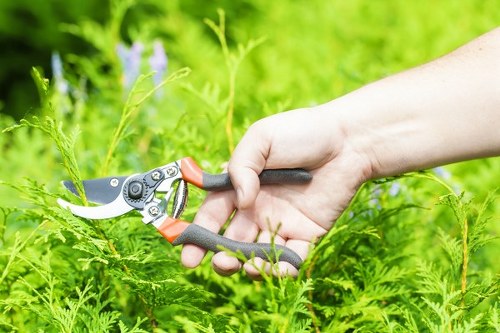
Hedges and shrubs quickly dominate a garden when they are left unchecked, so trimming them at the right point in the season can make the space look more balanced again. Our hedge trimming work focuses on shaping growth, reducing bulk where needed and keeping lines straighter around boundaries and internal divisions. A neat hedge can improve light, open up paths and restore structure without changing the character of the planting.
Different plants need different handling. Some respond well to a straightforward reduction in length or height, while others benefit from light, careful trimming that preserves health and future growth. The right method depends on the species, the time of year and whether the hedge is being maintained regularly or restored after a gap. Learn about hedge trimming if your boundary planting needs a cleaner line or a more controlled finish.
Where hedges are mixed with shrubs or climbers, we can keep the work proportionate so the overall planting remains healthy. That may mean tidying one section more firmly and leaving another part lighter, particularly if nesting season, flowering or recent growth patterns suggest a gentler approach. The aim is to maintain a balanced shape rather than cut everything back in the same way.
Garden Clearance for Overgrown Spaces
Garden clearance is the right service when a space has become cluttered with cuttings, dead growth, leaves, broken planting, unwanted items or general outdoor waste. Rather than handling the problem piecemeal, clearance creates a workable starting point so the area can be used, maintained or replanted again. It is often chosen for gardens that have not been kept on top of, or for outdoor spaces that need a firmer reset before any softer landscaping can begin.
Clearance can range from a simple tidy-up after a long period of leaf fall to more involved work that removes dense, awkward material from beds, corners and paths. We aim to separate what can stay from what needs to go, with care for any healthy plants or useful features that should remain in place. Explore garden clearance if you want to reduce the mess before planning the next stage of your outdoor space.
Price factors are usually based on access, volume, time and the kind of material involved. A small, open garden with loose cuttings is very different from a heavily overgrown space that needs gradual clearing and sorting. If you are requesting a quotation, a brief description of the current condition is useful because it helps set the right expectations for the work and avoids vague estimates that do not reflect the real job.
Landscape Gardening and Garden Improvements

Landscape gardening brings shape and purpose to an outdoor area by combining planting, layout changes and practical surface work. It can involve refreshing tired borders, adjusting the balance between lawn and planting, adding structure with beds or edging, or making a garden easier to maintain over time. For some spaces the work is modest, while for others it forms part of a more substantial transformation from a tired plot into a more coherent design.
This kind of work is best approached with clarity about what you want the garden to do. A family garden may need open space and straightforward access, while a more decorative space may need texture, layering and stronger visual structure. The service can be developed gradually or handled as a larger project, depending on the scale of the change and the condition of the existing garden. Read about landscape gardening if you are considering changes beyond routine maintenance.
When improvements are planned carefully, existing healthy features can be kept and built around rather than removed unnecessarily. That might mean retaining a mature shrub, reshaping a border line or rethinking circulation so the space feels more usable. A good landscape plan is not simply about adding more work; it is about making decisions that suit the garden as it stands and the result you want from it.
About Finsbury Park
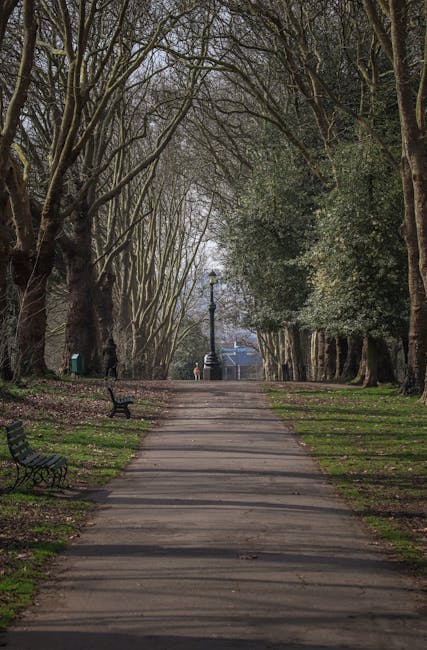
Finsbury Park is an area in north London best known for the large public park of the same name, which sits across the boundary of several surrounding districts and serves as a major open space in the city. The park itself was laid out in the nineteenth century and remains one of the most recognisable landscape features in the area, with broad paths, playing fields, mature trees and spaces used for leisure and events. The wider district developed around transport links and urban growth, giving it a layered character that combines residential streets, busy routes and pockets of local greenery. Its name is often used for both the park and the surrounding neighbourhood, so context matters when referring to the place. Finsbury Park station is an important interchange, bringing together rail and Underground services and making the area a well-connected part of north London. Nearby streets include a mix of Victorian and later housing, alongside shops, cafés and community facilities that reflect the district’s long period of change. The area also sits close to other established neighbourhoods such as Stroud Green, Holloway and Crouch End, while still retaining its own identity through the park and its transport focus. Within the park, open grass, tree cover and recreational facilities provide a contrast to the denser surrounding streets, and the landscape is shaped by both everyday use and larger public gatherings. The result is a place where urban life and open space sit side by side in a way that is immediately legible on a walk through the district.
Tree Lopping and Removal
Tree lopping and removal may be needed when a tree has become too large for its setting, has dead or damaged sections, or is creating practical issues around light, access or safety. This work has to be handled carefully because tree shape, stability and surrounding features all matter. Depending on the condition of the tree, the task might involve selective reduction, cutting back problematic limbs or removing the tree entirely where that is the most suitable option.
Our approach is to treat tree work as a structured task rather than a quick cut. The size of the tree, where it stands in relation to fences, sheds, paths and planting beds, and what remains after the work are all important considerations. If the tree is part of a larger garden scheme, removal may be followed by clearance of the area so it can be replanted or used differently. Find out more about tree lopping and removal if a tree is dominating the garden or interfering with the wider layout.
It is worth considering the tree alongside the rest of the garden rather than in isolation. A reduction in height may open up the space without losing all structure, while a full removal may be the better route if the tree is declining or crowding other planting. The practical choice depends on the tree itself and on what you want the garden to look like afterwards.
Landscaping, Decking and Finished Garden Features
Alongside core gardening work, we can support landscaping tasks that give a garden a more finished or usable feel. Landscaping may include the shaping of beds, the introduction of edging, the improvement of access routes and the coordination of planting with hard features. Where decking is part of the brief, it can provide a defined outdoor surface for seating, movement or a clearer transition between house and garden.
Decking and landscaping work are usually most effective when they are planned with the whole space in mind. A raised platform, for example, should sit comfortably with nearby planting and the surrounding ground levels, while a new layout should still allow for sensible maintenance. See our decking services if you are weighing up a timber surface as part of a broader garden improvement, and read about landscaping when you need more general structural changes.
Finishing features should support the way you want to use the garden, not overwhelm it. A well-judged addition can improve access, create a clearer focal point or make a neglected corner more useful. The most effective projects usually keep the layout coherent, which is why it helps to think through surfaces, planting and day-to-day upkeep together before work begins.
Choosing the Right Scope for Your Garden
Choosing the right scope is often the key to a successful enquiry. Some gardens only need mowing and tidying, while others need a combination of clearance, hedge work and maintenance before they feel under control again. We can look at the condition of the space and focus on the work that will give the clearest improvement first. A sensible scope saves time and helps avoid paying for tasks that are not yet necessary.
If you are unsure where to start, think about the areas that are most visible or most difficult to manage. Lawn, edges, hedges, cluttered beds and access paths are often the places where the biggest difference can be made quickly. A straightforward description is usually enough to begin with, and photos can be useful if there are overgrown sections or awkward access points. That kind of detail helps us prepare a more accurate quotation and recommend the right order of work. You can also contact us about your garden when you are ready to move from planning to a quote.
Two things usually make the process easier: knowing what you want to keep, and knowing what you want changed. If there are planted areas that should be protected, or items that must stay where they are, let us know at the start. That keeps the work focused and helps the service remain efficient, especially where several garden tasks are being combined in one visit.
Quotations, Scheduling and Next Steps

A quotation request is most useful when it gives a clear picture of the work rather than a general statement that the garden needs help. Mention whether you are looking for maintenance, clearance, hedge trimming, lawn mowing or a larger landscaping project, and say whether the job is a one-off or part of ongoing care. That makes it easier to match the service to your garden and to avoid unnecessary back-and-forth.
If you have several jobs in mind, it is often best to list them together so the quote reflects the full scope. For example, mowing, edging and leaf removal can be dealt with in the same visit, while clearance may be followed by trimming or longer-term improvements. You can request pricing and quotes once you are ready, or simply send a short description of the space and the tasks you want carried out. Tell us what needs doing, and we can help shape the quotation around the actual work rather than an assumption.
For a straightforward start, note the garden size, the main problem areas and any time-sensitive concerns such as a hedge that needs cutting back or a lawn that has grown too long. That gives a useful basis for a quotation and helps keep the next step simple. When you are ready, ask for a quotation and let us know how the garden should be brought back under control.